







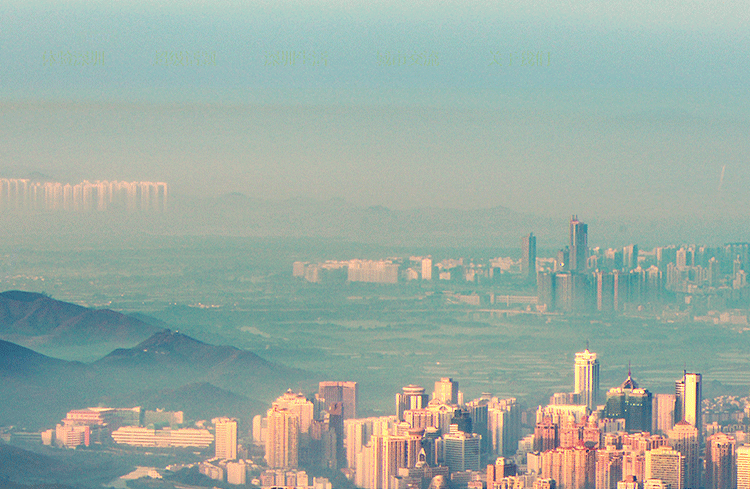



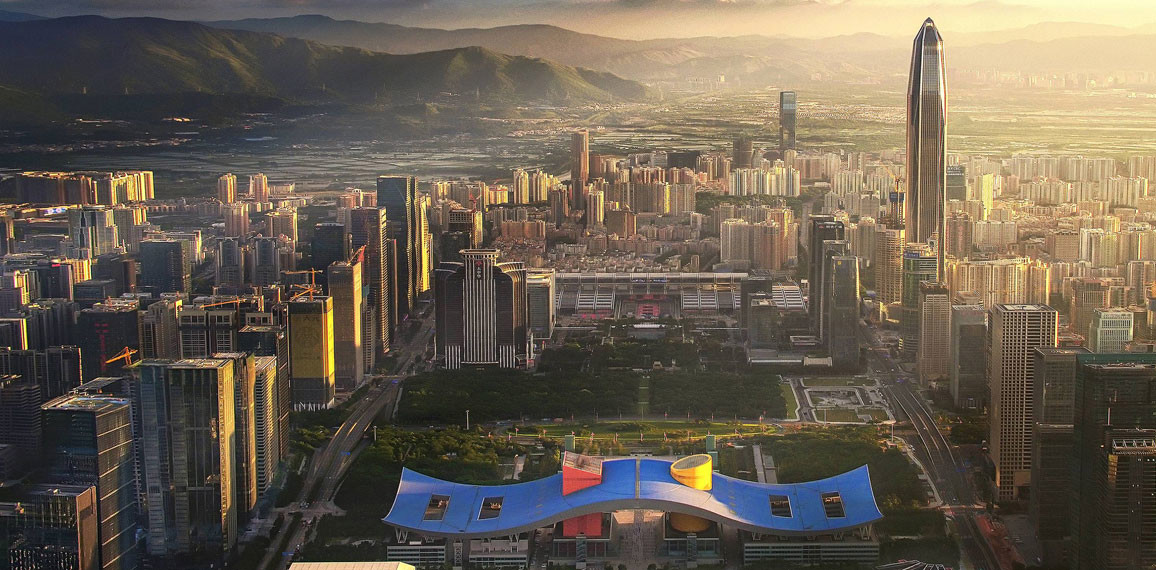
Shenzhen is the first Chinese city to utilize a culture-based strategy for city development.In 2024, there were 16 new formats of cultural enterprises above designated size in Shenzhen, achieving an operating income of 581.677 billion yuan, a year-on-year increase of 13.7%[1]. Shenzhen is the first city nationwide to win the title of “City of Design” from UNESCO. Design sectors such as industrial design and graphic design are in the vanguard of the nation, and Shenzhen enterprises have led China for multiple years in the number of iF international design awards received. Major industrial parks for the cultural and creative industries include Shenzhen National Cartoon & Animation Industry Base, Shenzhen (Tianmian) “City of Design” Creative Design Industrial Estate, and the Sino-Finnish Design Park. Representative local cultural and creative enterprises include Fantawild Holdings Inc and Newplan.

Shenzhen is an important base for the industrialization of high-tech achievements in China. In 2025, the added value of strategic emerging industries in the city reached 1.67 trillion yuan, accounting for 43% of GDP[1]. The number of national high-tech enterprises has exceeded 26,000, and there are 1,333 national "little giant" enterprises specializing in special innovation, ranking first among cities in China.
This has allowed Shenzhen to become an important national center for the conversion of fruitful high-tech research into successful industrial products. Major industrial parks/zones for the high and new technology industry include the Shenzhen High-Tech Industrial Park, the Shenzhen Software Industrial Base, and Shenzhen Cloud Park. Well-known local representatives of the industry include Huawei and ZTE.

Shenzhen is home to over 80,000 logistics enterprises and more than 4,000 supply chain companies, with the market capitalization of its listed logistics and supply chain companies ranking first in China [1]. Logistics enterprises have formed a strong cluster in Shenzhen, including one Fortune Global 500 company, three of China's top 50 logistics companies, five unicorns, 13 listed companies, and 24 supply chain enterprises with annual revenues exceeding RMB 10 billion. Shenzhen leads the nation in cross-border e-commerce logistics, supply chain management, green freight, and unmanned delivery [2]. Over 60 renowned international logistics companies, including UPS (US), Lufthansa (Germany), Maersk (Denmark), and Cainiao Network, have established operations in Shenzhen. Major industrial parks include Qianhaiwan Bonded Logistics Park, Yantian Logistics Park, Great Airport Air Logistics Park, Pinghu Logistics Base, and South China Logistics Park. Representative local enterprises include SF Express and Eternal Asia.

The financial industry is a pillar industry in Shenzhen, with its overall development level ranking among the top in the country. In the first half of 2025, the value added of Shenzhen's financial industry reached RMB 245.85 billion, representing a year-on-year increase of 10.9%; the value added of the financial industry accounted for approximately 13.4% of Shenzhen's GDP [1]. During the "14th Five-Year Plan" period, the value added of Shenzhen's financial industry recorded an average annual growth rate of 6.9%, accounting for around 14% of GDP, establishing it as the largest service industry in Shenzhen [2]. In 2026, Shenzhen will become the third Chinese city to host APEC after Shanghai and Beijing. Financial industry clusters include Futian, Luohu, the Qianhai Shenzhen-Hong Kong Modern Service Industry Cooperation Zone, among others, where Qianhai will be developed into a pilot demonstration zone for the opening up of China's financial industry. Representative local enterprises include Ping An Insurance (Group) Company of China, Ltd. and China Merchants Bank Co., Ltd.


Bioindustry
Shenzhen is one of the first national bio-industry bases in China, leading the country in biomedical engineering and biopharmaceuticals. Technologies such as advanced biomedical engineering, gene sequencing and bioinformatics analysis, and cell therapy are at the forefront globally. The output value of pharmaceuticals and medical devices in the city increased from RMB 128 billion in 2020 to RMB 157.6 billion in 2024, representing an average annual growth rate of 5.3%. In 2025, the city's export value of pharmaceuticals and medical devices reached RMB 44 billion, ranking first among Chinese cities [1]. Shenzhen is home to over 4,000 innovation platforms of various types, promoting deep integration of technological innovation and industrial innovation, and facilitating industrial transformation and upgrading [2]. Major industrial parks include the International Bio-Valley, Shenzhen High-tech Industrial Park, and Pingshan National Bio-industry Base. Representative local enterprises include Chipscreen Biosciences and Mindray.

New Energy
Shenzhen's new energy industry has formed a complete industry chain ranging from equipment manufacturing to energy services, with rapid development in key areas such as nuclear energy, solar energy, biomass energy, and battery electric vehicles. In 2024, the value added of Shenzhen's new energy industry reached RMB 101.87 billion, representing a year-on-year increase of 10.2% [1]. In 2025, the value added of the city's strategic emerging industries reached RMB 1.67 trillion, accounting for 43.0% of Shenzhen's GDP, among which clusters such as intelligent connected vehicles achieved double-digit growth [2]. Major industrial parks include the Pingshan New Energy Vehicle Industry Base and the Longgang New Energy Industrial Base. Representative local enterprises include BYD and Shenzhen Energy.

Internet
Shenzhen is one of the first cities approved to establish a National E-commerce Demonstration City. Shenzhen has six industries with an added value exceeding 100 billion yuan. Among them, the software and information services sector ranks first with an increase of nearly 291.9 billion yuan, while the smart terminal industry ranks second with an increase of 204.5 billion yuan [1]. Major industrial parks include Shekou Net Valley, Futian International E-Commerce Industrial Park, Xinghe WORLD, and Shenzhen Bao'an Internet Industry Base. Representative local companies include Tencent and Xunlei.

Cultural and Creative Industries
Shenzhen was the first city in China to establish the "Culture-Oriented City" strategy. In 2024, the 16 new business formats of cultural enterprises above the designated size in Shenzhen achieved operating revenue of RMB 581.677 billion, a year-on-year increase of 13.7% [1]. Shenzhen is the first city in China to be awarded the title of "City of Design" by UNESCO. Its design industries, including industrial design and graphic design, lead the nation, and the number of iF International Design Awards won ranks first in China for consecutive years. The city currently has over 70 cultural and creative industrial parks, with major ones including Shenzhen National Animation Industry Base, Tianmian Design City Creative Industrial Park, and Sino-Finnish Design Park. Representative local enterprises include Huaqiang Culture & Technology and Jialantu Design.

New Materials
Shenzhen boasts a comprehensive new materials industry chain, with a focus on key sectors such as electronic information materials, new energy materials, biomaterials, energy-efficient building materials, graphene nanomaterials, and metamaterials. Shenzhen ranks among the top in the country in terms of the scale of its new materials industry and the number of leading enterprises. In the first three quarters of 2024, the added value of the new materials cluster exceeded 23 billion yuan, representing a year-on-year increase of over 9%. There are currently approximately 3,000 large-scale enterprises in the new materials sector, including about 40 listed companies, nearly 20 individual manufacturing champion enterprises, and nearly 100 “National Specialized, Refined, Unique, and Innovative (SRUI) Little Giants”—a group of high-quality enterprises [1]. Major industrial parks include the Electronic Information Materials Cluster in Guangming New District and the Power Battery Materials Industrial Cluster in Pingshan District. Representative local enterprises include CSG Holding Co., Ltd., Kuang-Chi Institute of Advanced Technology, and BTR New Material Group Co., Ltd.

Next Generation Information Technology
The headquarters or regional headquarters of China's top 10 electronic information enterprises have largely established their presence in Shenzhen. Shenzhen has become a globally leading advanced manufacturing hub and a globally influential industrial technology innovation center. The added value of strategic emerging industries reached RMB 1.67 trillion, accounting for 43.0% of the city's GDP, marking four consecutive years from 2022 to 2025 of exceeding the RMB 100 billion mark each year [1]. Major industrial parks include the "Robot Valley" in Nanshan District, Shenzhen Bay Science and Technology Ecological Park, and the Liuxiandong Headquarters Base. Representative local enterprises include Huawei, ZTE, and Hytera.

Energy Conservation and Environmental Protection
Shenzhen is a national leader in areas such as high-efficiency energy conservation, advanced environmental protection, and resource recycling. The competitiveness index of its safe, energy-saving and environmental protection industry cluster ranks third in China [1]. Representative industrial parks include Shenzhen International Low‑Carbon City and the core leading area for ultra‑high definition video display in Guangming District. Representative local enterprises include Das Intellitech, CECEP Techand, and Dongjiang Environmental.

The output value of Shenzhen's pharmaceutical and medical device industry increased from 128 billion yuan in 2020 to 157.6 billion yuan in 2024, with an average annual growth rate of 5.3%. In 2025, the city's exports of pharmaceuticals and medical devices reached 44 billion yuan, ranking first among all cities in China[1]. Shenzhen has a solid foundation in biotherapeutics, including stem cell and tumor immunotherapies and gene therapy, with some fields holding international leadership. Key industrial parks include Shenzhen International Bio-Valley and Shenzhen International Low Carbon City. Representative local enterprises include BGI Genomics and Beike Biotechnology.
Shenzhen's gross ocean product has surpassed 500 billion yuan. The city hosts 110,000 marine-related market entities, including over 6,000 enterprises above designated size that form the industrial backbone, along with a number of specialized and sophisticated SMEs and "little giant" firms[1]. Shenzhen's modern marine industry system features three pillar sectors—marine transportation, offshore oil and gas, and coastal tourism—alongside emerging industries such as marine electronics and information, marine biotechnology, and high-end marine equipment. Representative local enterprises include China Merchants Port Holdings and CIMC Group.
The added value of Shenzhen's low-altitude economy and aerospace industry cluster reached 35.061 billion yuan in 2025, a year-on-year increase of 31%[1]. The aerospace sector has become a key base for R&D and manufacturing of microsatellites, satellite navigation components, and terminal equipment. Major industrial parks include the Shenzhen Nanshan Avionics Industrial Park and the Northwestern Polytechnical University Aviation Production Base. Representative local enterprises include DJI Innovations, AVIC International Industrial Holding, and Shenzhen Zero (Xiro).
In 2024, Shenzhen's robotics industry cluster comprised 74,032 enterprises, including 34 listed robotics companies and 9 unicorns, ranking first nationwide. The total output value of the robotics industrial chain reached 201.2 billion yuan, up 12.58% year-on-year, also leading the country[1]. Shenzhen enterprises hold a domestic edge in technologies such as system integration, controllers, servos, multi-sensor fusion, signal processing, and human-machine interaction. Examples include Foxconn's robotics hardware, Rapoo's system integration, Inovance's servos, and Googol Tech's controllers.
Shenzhen boasts the most complete wearable device supply chain in China. As of 2025, Guangdong Province hosts over 8,600 wearable device-related enterprises, with Shenzhen accounting for 83.2% of that total[1]. The city has become China's largest R&D and manufacturing base for wearables, featuring a full industrial chain spanning sensors, flexible components, and interactive solutions. A number of local firms were among the first in China to launch smartwatches, health terminals, and other wearable products. Shenzhen also stands as the country's largest hub for wearable device companies, home to over a thousand such enterprises, with industry leaders like Huawei and Coolpad driving market trends both domestically and globally.
In 2025, the added value of Shenzhen's general-purpose equipment manufacturing rose by 13.9%, while that of special-purpose equipment manufacturing grew by 5.1%[1]. In the intelligent equipment sector, Shenzhen is home to listed laser companies such as Han's Laser and United Winners, as well as two BYD research institutes in the battery field. With a strong cluster of non-standard equipment enterprises, Shenzhen's intelligent equipment capabilities rival those of the Yangtze River Delta as a leading domestic hub[2]. Representative local enterprises include Han's Laser, Inovance Technology, Dobot, and UBTECH.