


2021-01-05
|The NETWORK
|Source: www.seattletimes.com
Dominic Gates
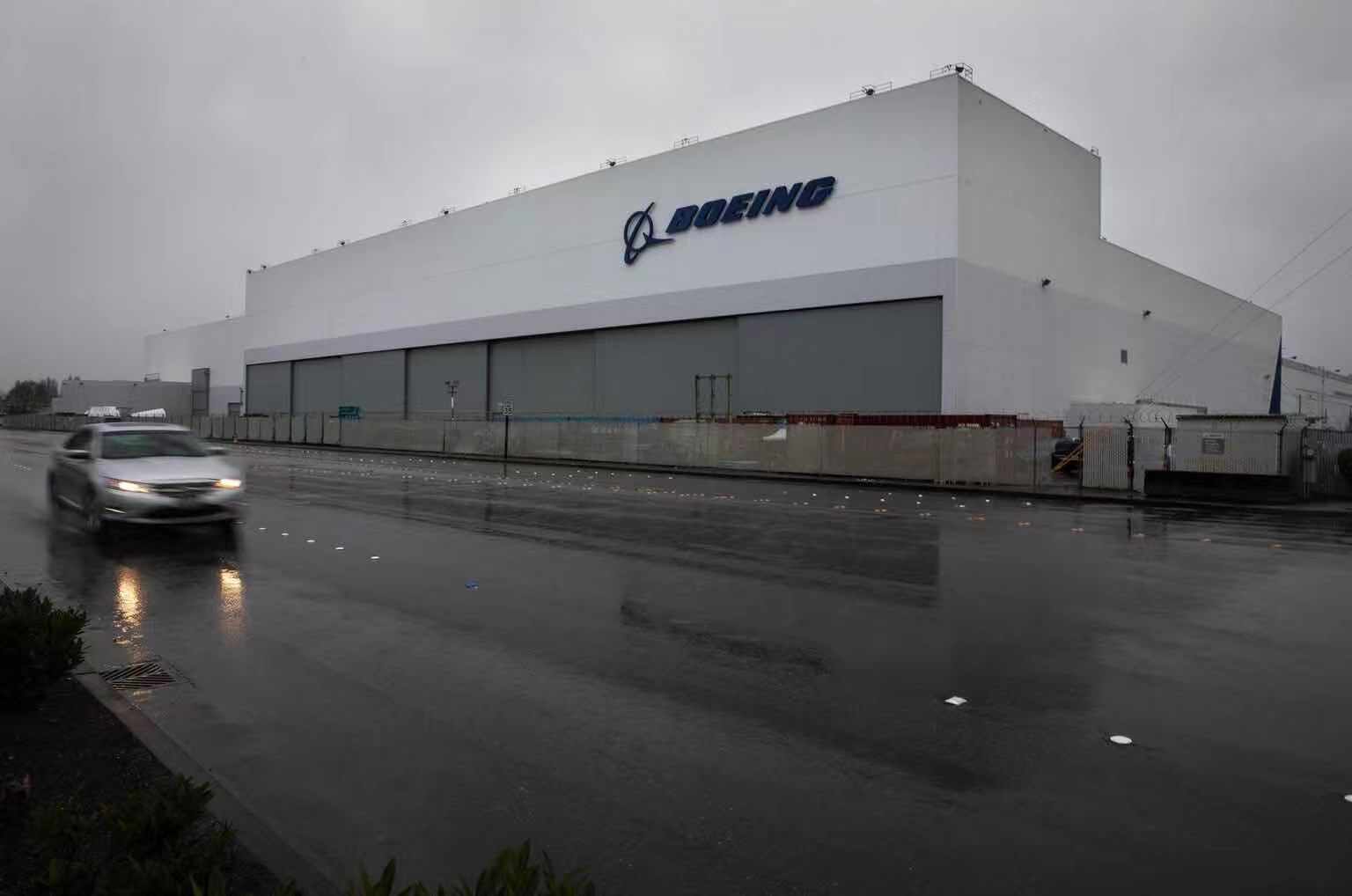
From outside the Boeing security fence, the giant windowless, box-like building across the road from the Museum of Flight looks unremarkable, if mysterious.
For decades, drivers passing by on East Marginal Way have wondered what exactly goes on inside such a large structure. Soon, the answer will be: nothing at all.
In yet another sign of Boeing’s shrinking local footprint, managers told affected employees just before Christmas that in the next four to six months the facility, known as the Advanced Developmental Composites (ADC) center, will be shuttered.
Just 10 years ago, Boeing expanded the facility and portrayed it as a hub of future innovation for in-house manufacturing capabilities.
Though relatively few people work at the facility right at this point, its symbolism will add to worry about the future of the jetmaker in this region. This is where for decades Boeing conducted its most important and secretive manufacturing research programs, both military and commercial.
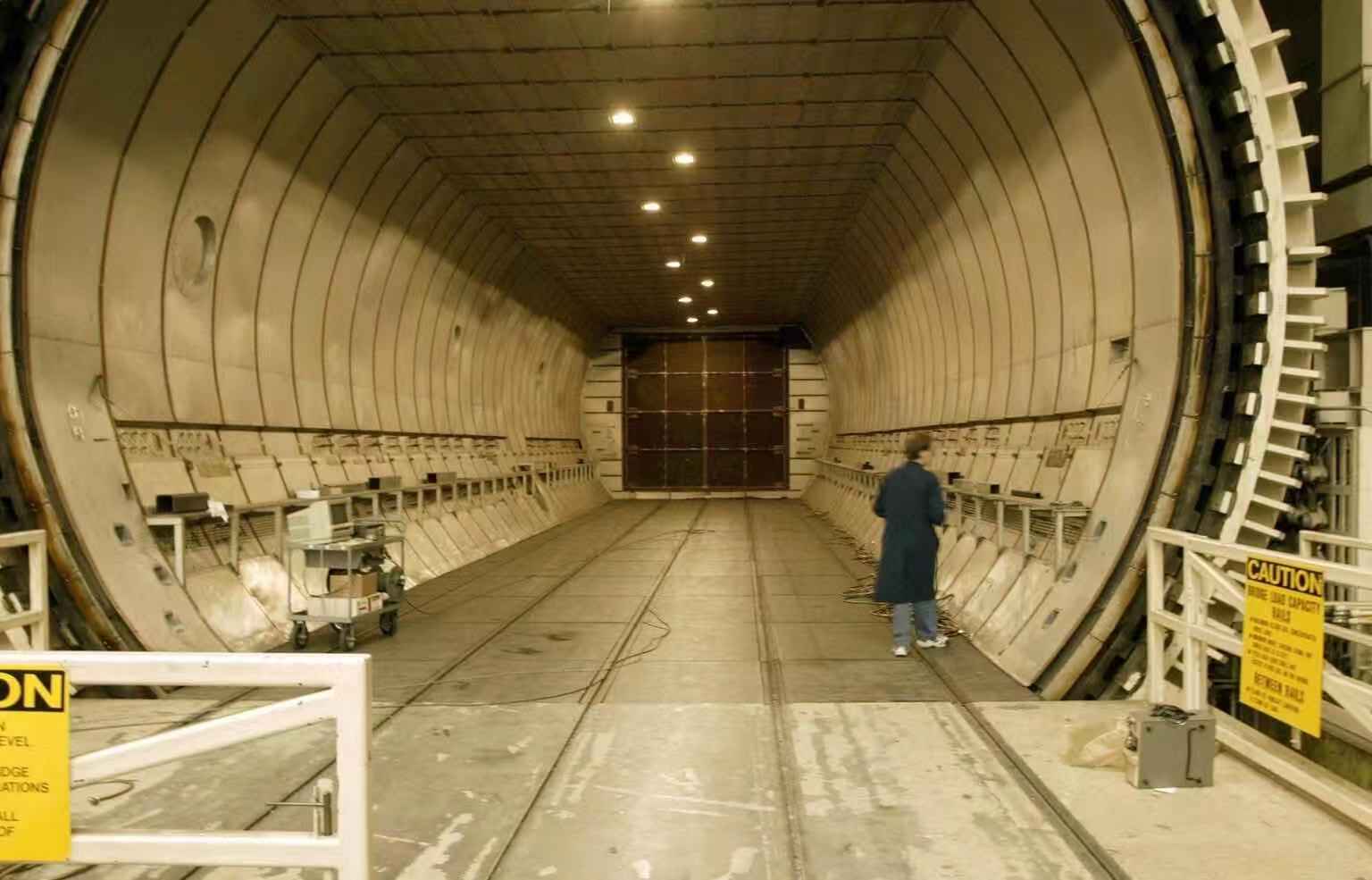
Key technologies for building critical pieces of the B2 Stealth bomber and the 787 Dreamliner were developed here. The facility features two massive high-pressure ovens known as autoclaves, used to bake carbon composite materials to hardness, and robotic equipment for fabricating large composite structural pieces.
Boeing, on a drive to sharply reduce its real estate holdings while it grapples with the drastic downturn in its business due to the pandemic, downplayed the significance of the closure.
“This is one of several steps we’re taking to streamline our operations and make more efficient use of our facility space,” the company said in a statement, adding that some non-commercial airplane work will continue in the building “for the time being.”
Read the original story here.